As of January 2018 here is what was factual about the flu:
Flu season January 2018 was off to an early — and severe — start, with rates of hospitalizations and deaths from flu higher than what’s typical for this time of year.
December 14, 2018 by Steven Reinberg, Healthday Reporter. (HealthDay)—Flu season is getting off to a slow but steady start, a U.S. health official said that year and will it be the same at the end of 2020.
“Flu activity now is still fairly low, but as expected we have been seeing activity slowly increasing over the last few weeks,” said Alicia Budd, an epidemiologist at the U.S. Centers for Disease Control and Prevention.
“Unfortunately, we don’t have a crystal ball to know how badly we are going to fare during this flu season,” Budd said.
Peak activity can occur anytime between December and February, she said. So we are not out of the clinch with the Flu time at its time of peak. The most common type of flu around now is influenza A H1N1, which is accounting for about 80 percent of the flu viruses being reported, Budd said.
In addition, another A strain, H3N2, is also being seen, making up about 20 percent of the viruses reported 2019, she said.
“H3N2 is out there and was 2019, but at much lower levels than we saw 2018,” Budd said. It was that strain that made flu so severe last year, when 1 million people were hospitalized and 80,000 died.
Both of these types of flu are included in this season’s flu vaccine, as well as one or two influenza B strains. This year’s vaccine seems well matched to these strains, so it will most likely be more effective than last year’s vaccine, Budd said.
Because H1N1 is the predominant flu strain around now, she thinks the vaccine’s effectiveness could be as high as 65 percent.
It’s not too late to get vaccinated, Budd said. If you haven’t gotten a flu shot, it’s time, she said. It can take up to two weeks for your body to mount a protective immune response.
The most common type of flu around 2019 is influenza A H1N1, which is accounting for about 80 percent of the flu viruses being reported, Budd said.
Influenza A still is the most common type of flu!
But why was the flu so bad 2019 year?
During the week that ended Dec. 30 2017 (the most recent period for which data is available), 46 states reported widespread flu activity, up from 36 states the week before, according to the U.S. Centers for Disease Control and Prevention (CDC). At this time 2017 last year, just 12 states reported widespread flu activity.
What’s more, the rate of flu hospitalizations from the beginning of October to the end of December 2017 was about 14 hospitalizations per 100,000 people, according to CDC data. The rate was highest among adults ages 65 and older, at about 57 hospitalizations per 100,000 people. At the time Jan 2017, the rate of flu hospitalizations was just 5 hospitalizations per 100,000 people.
The flu is notoriously unpredictable, with the timing, severity and length of flu season varying from year to year, according to the CDC.
But the relatively harsh season 2019 the U.S. was having is likely related to the particular flu strains that are circulating, said Dr. Amesh Adalja, a senior scholar at the Johns Hopkins Center for Health Security.
“The year 2019 was particularly bad because it’s dominated by the H3N2 [flu strain], which tends to be more severe and causes more severe symptoms than other strains of flu,” Adalja told Live Science. Indeed, flu seasons in which the H3N2 strain predominates tend to have higher overall flu hospitalization and death rates, according to the CDC.
Officials can’t predict what the final outcome for flu season will be this year in terms of illnesses, hospitalizations and deaths, but Adalja suspects it will be a notable one.
“I don’t know what the final tally will be in this flu season 2019, [but] I suspect it will be one of the worst ones we’ve had in recent years,” Adalja said. Just like every year someone states it will be the worst year.
Another factor that may affect the severity of a flu season is whether the flu strains included in the yearly flu shot match the ones circulating in the public. So far this year, the circulating flu strains do appear to match the flu strains that were selected for the vaccine, according to a recent CDC report.
However, to make the flu vaccine, manufacturers typically use chicken eggs to “grow” the flu virus strains. During this process, the flu strains may acquire genetic changes that make the strains slightly different from those in circulation.
“You don’t end up with the same vaccine viruses that you started with” because of these genetic changes, Adalja said. This appears to have happened with the H3N2 component of this year’s flu vaccine, according to the CDC, and the changes may lower the effectiveness of the vaccine.
Researchers are finding that yearly flu shots are typically less effective against H3N2, compared with other strains of flu. A study published in 2016 found that, from 2004 to 2015, the flu shot was only 33 percent effective against H3N2 viruses, compared with 61 percent effective against H1N1 and 54 percent effective against influenza B viruses, which are another strain. This may be because, compared with other flu viruses, H3N2 viruses are more likely to acquire genetic changes that impact the effectiveness of the vaccine, the CDC said.
Health officials still recommend a yearly flu vaccine for everyone ages 6 months and older, because it’s still the best way to prevent flu. And studies have found that, even if a person does catch the flu, their illness is milder if they’ve been vaccinated. “Even lower levels of protection” are better than none, Adalja said.
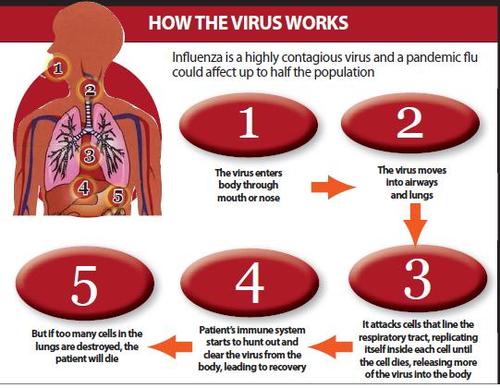
The virus can directly cause death, Dr. Amesh Adalja, a senior scholar at the Johns Hopkins Center for Health Security in Baltimore, told Live Science in 2016. This occurs when the flu virus causes such overwhelming inflammation in a person’s lungs that they die due to respiratory failure. Severe damage to the lungs makes it impossible for enough oxygen to pass through the lung tissue into the blood, leading to death. [Flu Shot Facts & Side Effects (Updated for 2017-2018)]
When someone dies directly from the flu, it happens very quickly, Adalja added.
The flu can also kill indirectly, meaning that the virus makes a person more susceptible to other health problems, and these health problems lead to death. For example, getting sick with the flu can make certain groups of people, such as older adults and people with chronic illnesses, more susceptible to bacteria that cause pneumonia, according to the Mayo Clinic. “Pneumonia is the most serious complication” of the flu and can be deadly, the Mayo Clinic says.
When a person with the flu gets pneumonia, the pneumonia is considered a secondary bacterial infection, Adalja said. (Pneumonia can be caused by either a virus or bacteria; in the case of a secondary infection after flu, it is caused by bacteria.) Death from such secondary infections usually occurs about a week or so after the person first got sick, because it takes time for the secondary infection to set in, Adalja said.
The flu can lead to death in other ways as well. People with the flu can experience “multiple organ failure” throughout their body (in order words, multiple organs stop working properly), which can be deadly, Adalja said.
The flu can also trigger other serious complications, including inflammation of the heart, brain or muscle tissues, according to the CDC. Infection can also lead to an extreme, body-wide inflammatory response known as sepsis, which can be life-threatening, the CDC says.
The 2017–2018 flu season has been particularly harsh, partially because the predominant strain of flu that’s spreading, H3N2, tends to cause more severe symptoms than other strains, Live Science reported the month of January 2018. And although the flu strains circulating this 2019 do match up with those covered in the season’s flu vaccine, an odd phenomenon may have occurred during the vaccine-making process inside chicken eggs. During that process, flu strains can acquire genetic changes, and this may have happened for the H3N2 component of the vaccine, Adalja said previously.
When we had not reached the end of February 2019 yet, we reached a point by CDC stating the following:
“Influenza activity in the United States during the 2017–2018 season began to increase in November and remained at high levels for several weeks during January–February. While influenza A(H3N2) viruses predominated through February, and were predominant overall for the season, influenza B viruses were more commonly reported starting in March, 2018. The season had high severity with unusually high levels of outpatient influenza-like illness, hospitalizations rates, and proportions of pneumonia and influenza-associated deaths.
CDC estimates that the burden of illness during the 2017–2018 season was also high with an estimated 48.8 million people getting sick with influenza, 22.7 million people going to a health care provider, 959,000 hospitalizations, and 79,400 deaths from influenza. The number of cases of influenza-associated illness that occurred last season was the highest since the 2009 H1N1 pandemic, when an estimated 60 million people were sick with influenza.
The 2017–2018 influenza season was additionally atypical in that it was severe for all ages of the population. The burden of influenza and the rates of influenza-associated hospitalization are generally higher for the very young and the very old, and while this was also true during the 2017–2018 season, rates of hospitalization in all age groups were the highest seasonal rates seen since hospital-based surveillance was expanded in 2005 to include all ages. This translated into an estimated 11.5 million cases of influenza in children, 30 million cases of influenza in working age adults (aged 18-64 years), and more than 7.3 million cases in adults aged 65 years and older.
Our estimates of hospitalizations and mortality associated with the 2017–2018 influenza season continue to demonstrate how severe influenza virus infection can be. We estimate overall, there were 959,000 hospitalizations and 79,400 deaths during the 2017–2018 season. More than 48,000 hospitalizations occurred in children (aged < 18 years); however, 70% of hospitalizations occurred in older adults aged ≥65 years. Older adults also accounted for 90% of deaths, highlighting that older adults are particularly vulnerable to severe disease with influenza virus infection. An estimated 10,300 deaths occurred among working age adults (aged 18–64 years), an age group that often has low influenza vaccination.”
CDC further states for 2024 and today the following:
- “The week ending January 25, 2024, was the first time that the percent of deaths for influenza (1.7%) was higher than the percent of deaths for COVID-19. The percent of deaths for influenza has continued to increase and is 2.6% for the week ending February 8, 2025.
- Eleven pediatric deaths associated with seasonal influenza virus infection were reported this week, bringing the 2024-2025 season total to 68 pediatric deaths.
- CDC estimates that there have been at least 29 million illnesses, 370,000 hospitalizations, and 16,000 deaths from flu so far this season.
- CDC recommends that everyone ages 6 months and older get an annual influenza (flu) vaccine.1
- There are prescription flu antiviral drugs that can treat flu illness; those should be started as early as possible and are especially important for patients at higher risk for severe illness.2
- Influenza viruses are among several viruses contributing to respiratory disease activity. CDC is providing updated, integrated information about COVID-19, flu, and respiratory syncytial virus (RSV) activity on a weekly basis.”
What does this all mean? Get the Influenza Vaccine for PREVENTION of the flu and Prevention of an Epidemic rising. Help yourself and community!
References: CDC Centers for Disease Control and Prevention & Health Day


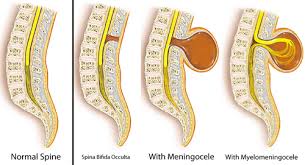
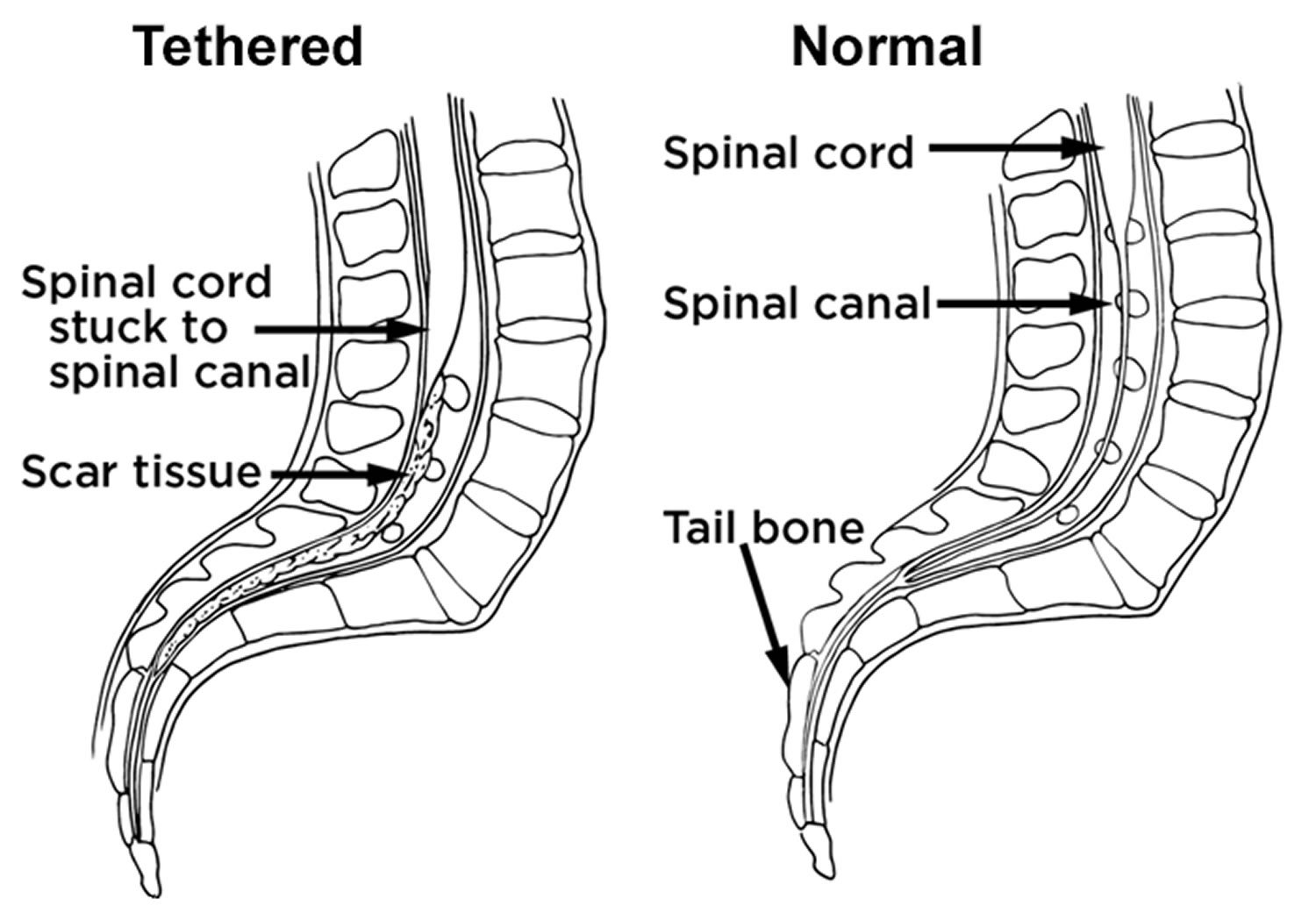
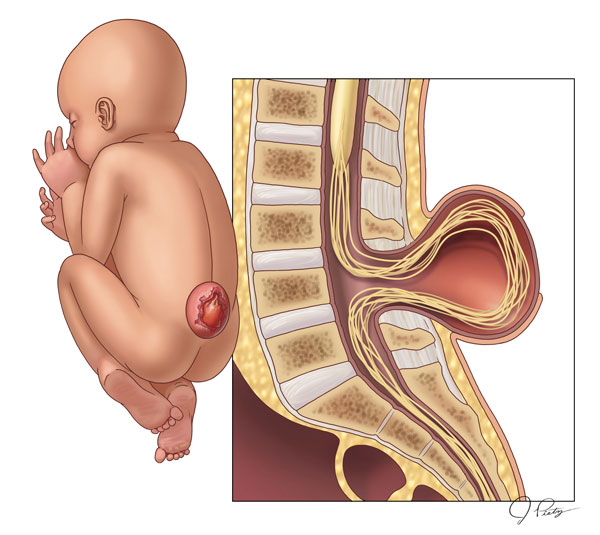 SPINA BIFIDA
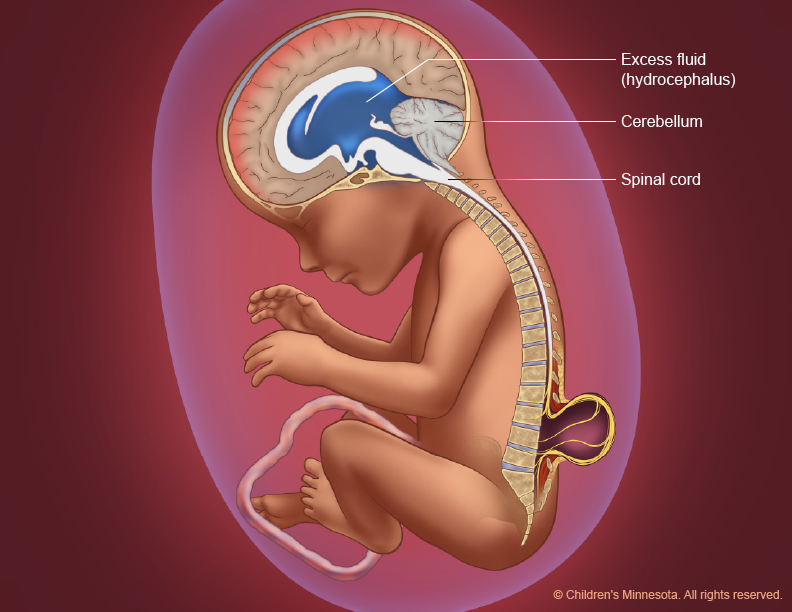
 HYDROCEPHALUS